

Storage container sizes matter more than most buyers expect before a rental. Pick one too small, and you run out of room fast. Pick one too large, and you pay for space you never use. Two options dominate the market: the 20-foot and the 40-foot unit. Each suits different projects, budgets, and properties. This guide breaks down the real differences between them, from floor space to delivery footprint. You’ll walk away knowing which size fits a home renovation, a busy job site, or a growing local business. And you’ll know exactly what to ask for when you pick up the phone.
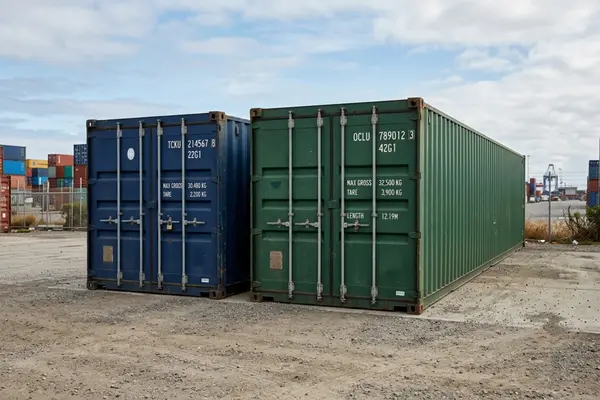
Understanding Storage Container Standard Sizes
Most rental companies build their fleets around two lengths. These sizes cover nearly every common use case. Both units share the same 8-foot width and roughly 8.5-foot height. Length is the only dimension that changes between them. A 20-foot container offers about 160 square feet of floor space. A 40-foot container roughly doubles that footprint. Knowing these sizes in feet helps you estimate capacity before you call for a quote.
20-Foot Storage Containers: What They Offer
A 20-foot unit works well for smaller, tighter jobs. It fits easily on residential driveways and compact job sites. These container storage sizes cost less to rent and deliver than larger models. Homeowners often choose this size for a single-room renovation or garage cleanout. Small businesses use it for tool storage or seasonal inventory. If your property has limited space, container sizes usually point toward the smaller unit. Plans change too, and this size is easier to move.
40-Foot Storage Containers: What They Offer
Bigger jobs call for the 40-foot option. Gutting a whole house, relocating an office, or stocking inventory all need that room. Crews on job sites lean on this length to stage tools and materials. Retailers use it to hold seasonal stock during busy months. These portable storage container sizes give you nearly double the room of a 20-foot unit. The tradeoff is a longer delivery path and a larger footprint on your property. Confirm site access before booking one.
20 ft vs 40 ft: A Quick Comparison
Here’s a side-by-side look at both options before you decide. This comparison covers space, cost, and common uses. It should make your choice easier and faster. Once you know your rough numbers, the right unit becomes obvious. Use it as a quick storage container rental sizes guide while you plan your project and measure your site.
| Feature | 20-Foot Container | 40-Foot Container |
|---|---|---|
| Length | 20 feet | 40 feet |
| Approx. Floor Space | 160 sq ft | 320 sq ft |
| Best For | Home projects, small sites | Large renovations, commercial use |
| Delivery Footprint | Smaller, easier placement | Longer, needs more clearance |
| Relative Cost | Lower | Higher |
Which Size Fits Your Project?
The right choice depends on what you’re storing and where. A single-room remodel rarely needs more than a 20-foot unit. Whole-home renovations or office relocations usually call for the 40-foot option. Think about how long you’ll need the container, not just what fits today. This storage container rental sizes guide can help you save money and avoid a mid-project swap. When unsure, describe your project to a specialist before choosing. A quick phone conversation can settle the decision in minutes.
Home and Commercial Storage, Side by Side
Homeowners and businesses often need different things from the same container. A family clearing out a house might rent a homeowner storage container for a few weeks. A contractor mid-renovation might browse storage containers for home renovation projects instead. Businesses managing storage container sizes in feet often need larger, more durable units. Comparing traditional storage containers versus PODS can also clarify which setup fits your timeline. According to ISO 668, the international standard behind these dimensions supports roughly $4 trillion in shipped goods annually.
Get the Right Storage Container Size for Your Project
Choosing between a 20-foot and 40-foot unit comes down to space, timeline, and budget. Review your project scope, measure your site, and estimate what you’ll actually store. Aaron Supreme has served Connecticut, Massachusetts, Rhode Island, and New York since 1964. Their team can help you compare storage containers for rent or explore shipping container options for your project. Getting the right storage container sizes from the start saves time and money. Call 1-800-243-0403 or reach out through their contact page to get started today.
Frequently Asked Questions
How much can I fit in a 20-foot storage container?
A 20-foot container holds roughly 1,170 cubic feet of usable space. That’s enough for the contents of a two- to three-bedroom home. It comfortably fits furniture, boxes, and appliances from a single-room renovation. Construction crews often use this size for tools and smaller equipment. If you’re clearing out a garage or managing a modest remodel, this size usually works well. For larger loads, a 40-foot unit gives you nearly double the capacity to work with.
Is a 40-foot container worth the extra cost?
It depends on how much space your project actually needs. A 40-foot unit costs more to rent than a 20-foot model. But it nearly doubles your storage capacity for roughly proportional cost. For whole-home renovations, office moves, or large inventory storage, the extra room often pays off. That extra room means you’re not scrambling for a second container halfway through the job. For smaller loads, though, the 20-foot size is usually the better deal.
What are the interior dimensions of 20 ft and 40 ft containers?
A standard 20-foot container measures about 19’4″ long, 7’8″ wide, and 7’10” tall inside. A 40-foot container measures roughly 39’5″ long, with the same width and height. Both offer ground-level entry for easy loading and unloading. These dimensions can vary slightly by manufacturer and container condition. Always confirm exact measurements with your rental provider before finalizing your order. Knowing these numbers in advance helps you plan your layout accurately.
